
How to Legally and Responsibly Dispose of Paint in Massachusetts
Mathieu Burgess • November 27, 2025
How to Dispose of Paint in Massachusetts | Safe & Legal Paint Disposal Guide
Got half-empty paint cans sitting in your basement or garage? You’re not alone. Many Massachusetts homeowners store leftover paint after a project, unsure what to do with it later. Unfortunately, tossing paint in the trash or pouring it down the drain isn’t just unsafe — it’s also illegal in Massachusetts.
In this guide, we’ll walk you through how to legally and responsibly dispose of paint so you can clear out your clutter and protect the environment.
🎨 Step 1: Identify Your Type of Paint
Before you can dispose of it properly, figure out which type of paint you’re dealing with:
Latex (water-based) paint: Common for interior walls and ceilings. Once completely dried, it’s no longer hazardous and can go out with regular household trash.
Oil-based paint: Used for trim, furniture, and outdoor surfaces. This type of paint is classified as hazardous waste and requires special disposal through approved collection sites.
Knowing which you have ensures you use the correct and legal method for paint disposal in Massachusetts.
🌬️ Step 2: How to Dry Out Paint Safely
Drying out latex paint is the easiest way to prepare it for disposal. Here’s how:
✅ For Latex Paint (Water-Based)
Small Amounts:
Remove the lid and leave the can open in a well-ventilated area. Stir occasionally until it hardens completely.
Larger Amounts:
Mix in an absorbent material like cat litter, sawdust, or shredded paper to help it dry faster. Stir until the paint thickens to an oatmeal-like texture. Leave it uncovered for a few days until solid.
Once Fully Dry:
Keep the lid off and place the can in your regular household trash. Most Massachusetts waste haulers accept dried latex paint cans this way.
⚠️ For Oil-Based Paint
Oil-based paint does not dry out safely and should never be left open to harden or poured out. It must be brought to a hazardous waste collection event or drop-off site in your area. Many Massachusetts towns offer these services throughout the year.
🪵 Step 3: If It Won’t Dry — Use It Up
If you only have a small amount left, put it to use before disposal. You can apply the leftover paint as a base coat on an old board, wall, or item you plan to throw away. This helps use the product responsibly and avoids waste.
🧴 Step 4: Disposing of Wet Paint
If your paint won’t dry or you’re dealing with large volumes:
Contact your local Department of Public Works (DPW) to learn about scheduled hazardous waste collection days.
Many local disposal centers accept paints, stains, and solvents for a small handling fee.
Always transport wet paint in sealed containers and avoid mixing different types of paint together.
🚛 Step 5: Let a Professional Handle It
If you’re already clearing out a basement, garage, or attic, consider hiring a junk removal company in Massachusetts that specializes in responsible waste handling. Professionals can identify, sort, and transport leftover paint safely — saving you the time, mess, and hassle.
🌎 Final Thoughts
Proper paint disposal keeps chemicals out of our water and soil while freeing up valuable space in your home. By identifying your paint type, drying it out correctly, or using approved drop-off sites, you’re doing your part to protect the environment and keep your property safe.
If you’re tackling a larger decluttering project, Coastal Removal & General Services is here to help. We provide eco-friendly junk removal services throughout the North Shore MA, ensuring that everything — from old paint cans to bulky furniture — is disposed of the right way.

One crew handles demo and haul-away in Salisbury, MA. Learn how the combined process works for fences, sheds, carpet, and junk cleanouts.

Coastal Removal proudly calls Newburyport, MA home. As locals, we serve the North Shore and Merrimack Valley with reliable junk removal and cleanout services.
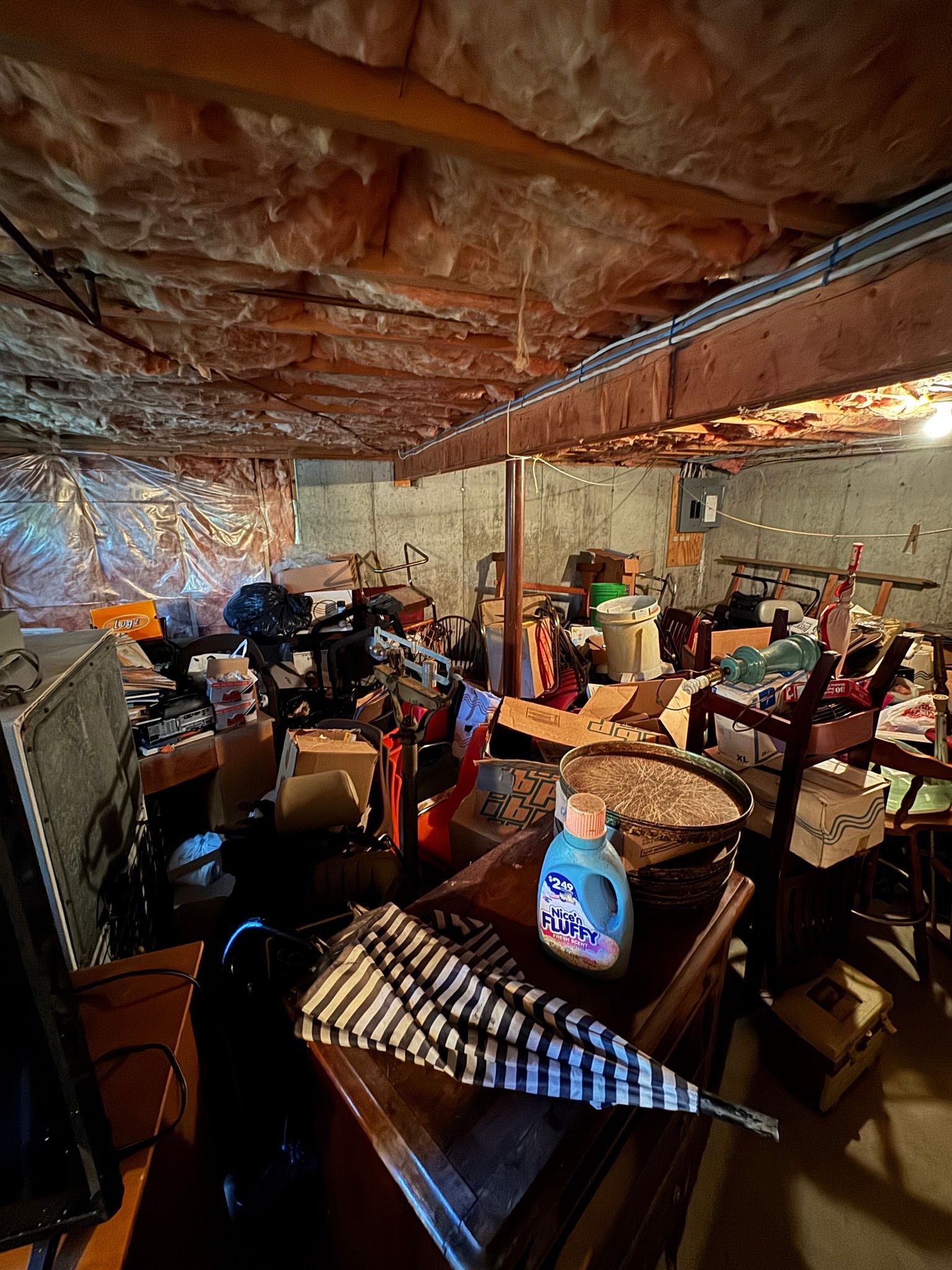
Get your home holiday-ready with a clutter cleanout. Learn how decluttering before guests arrive makes your space brighter, calmer, and stress-free.
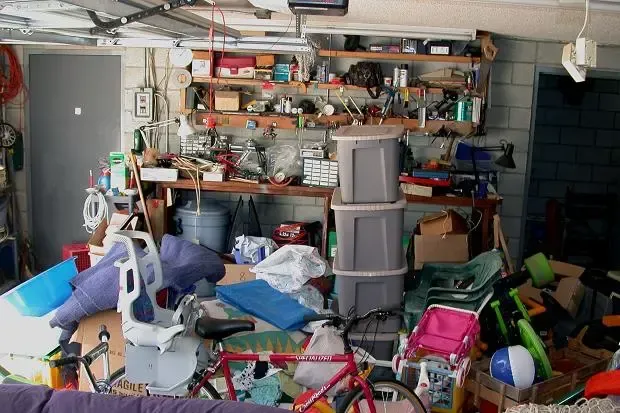
Get ready for your junk removal day with this simple checklist. Learn how to prepare, label, and let go — and enjoy a stress-free cleanout experience.
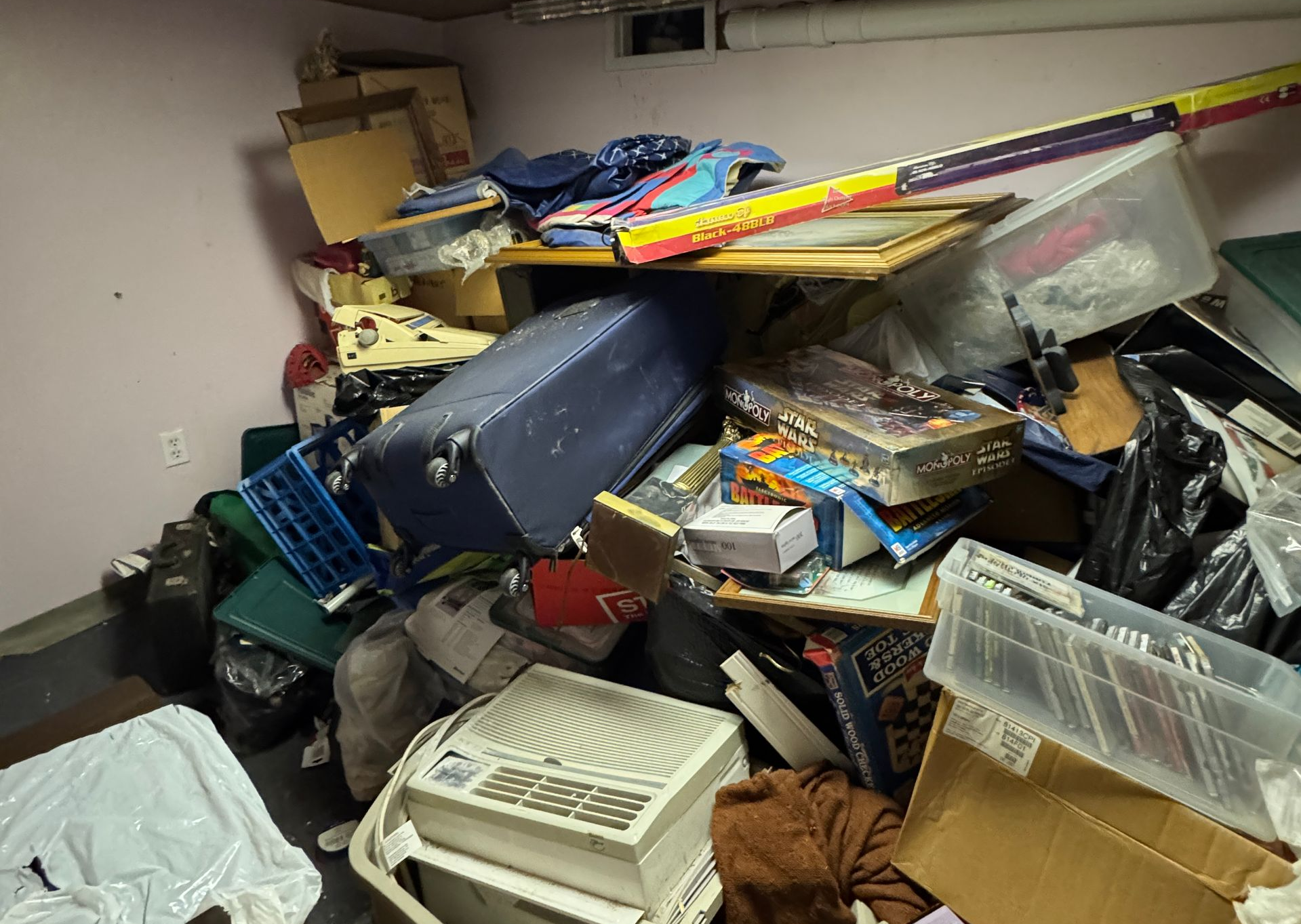
Decluttering made easy! Follow our simple step-by-step plan to reclaim your home, build momentum, and finally get organized—without the stress.
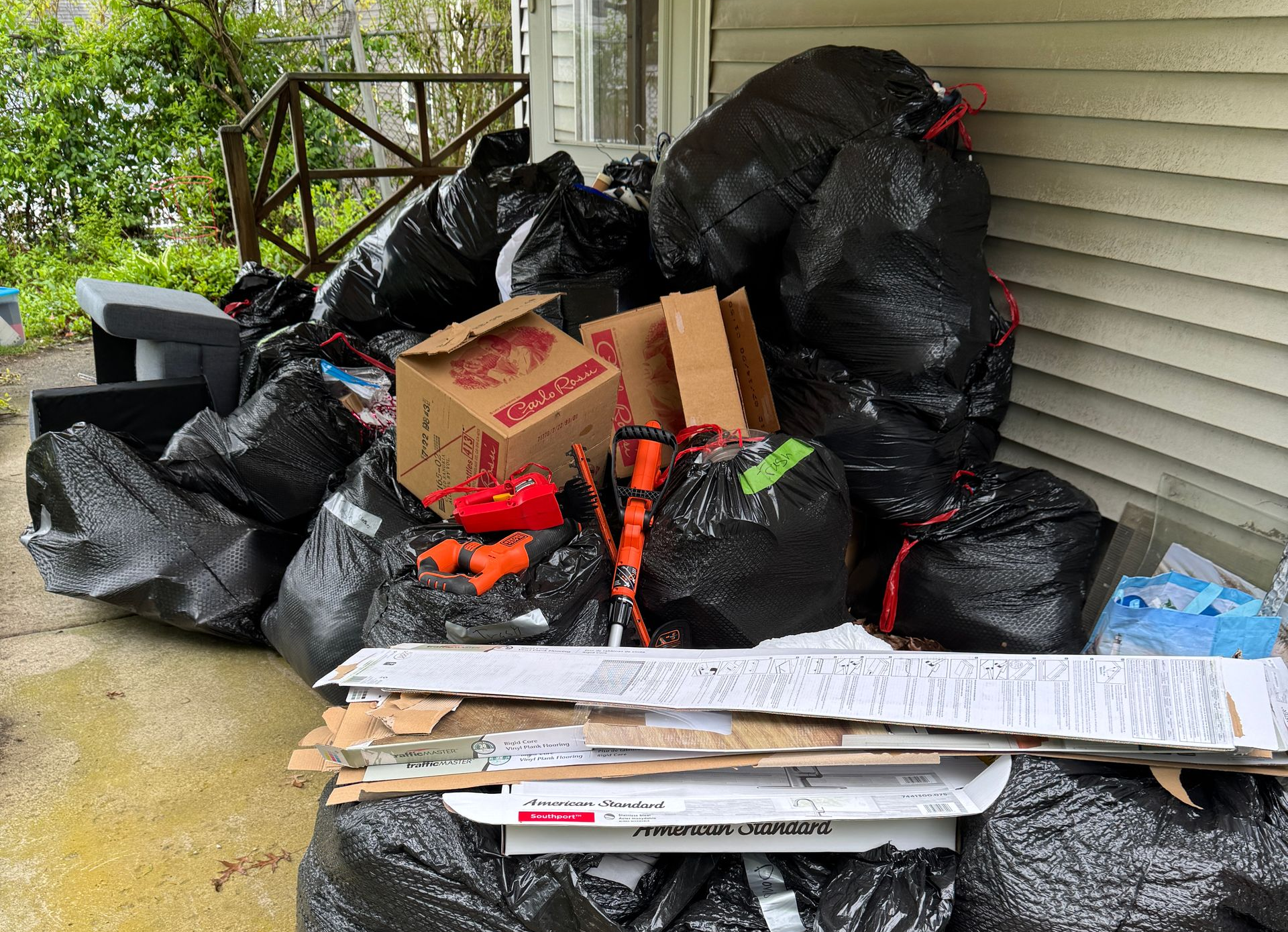
Decluttering doesn’t have to cost a thing. Find out how to simplify your home, help others, and reduce waste using free local and online options.
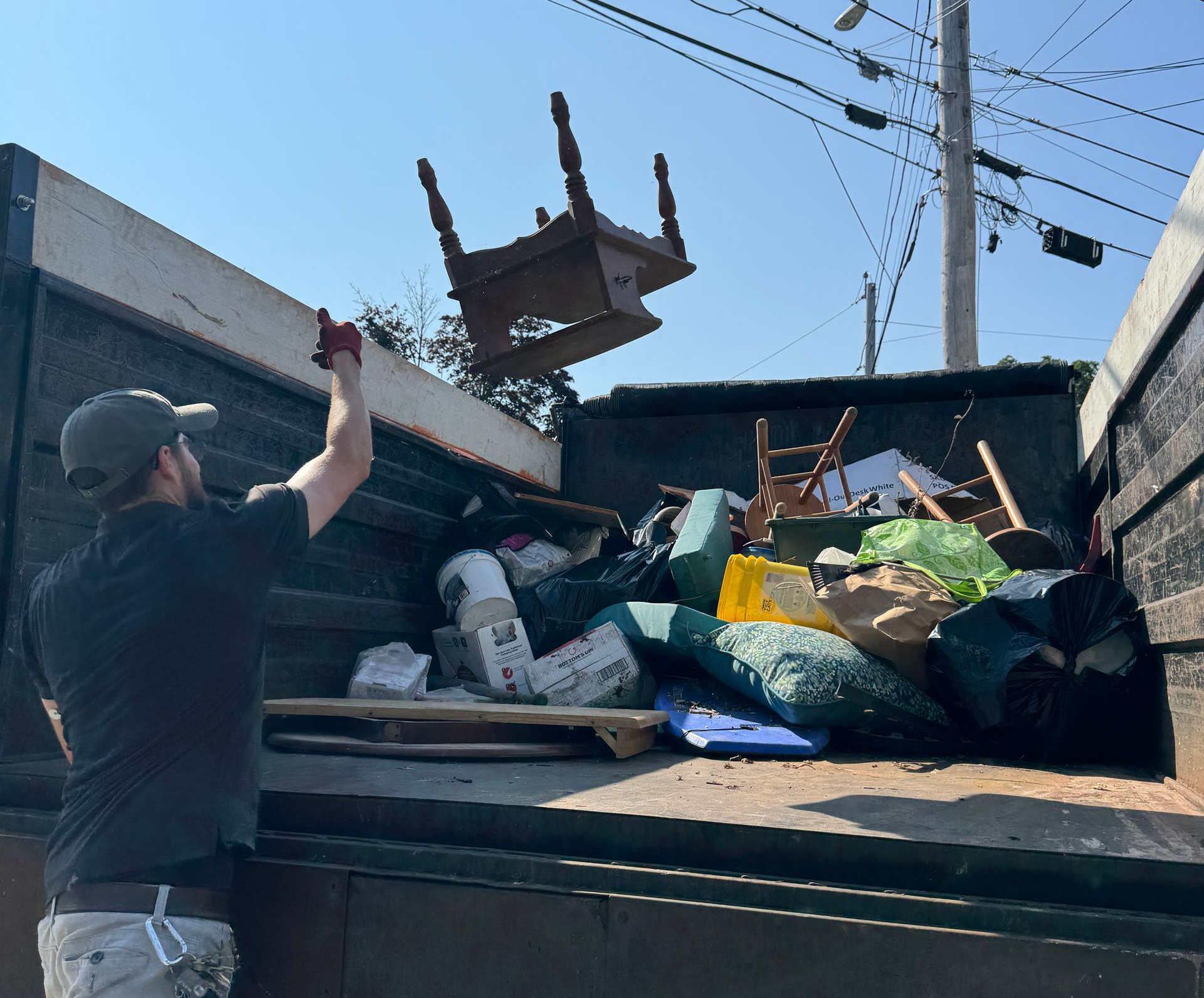
Hiring a junk removal service? Learn how to spot shady tactics, avoid inflated costs, and ensure your junk is handled responsibly and ethically.
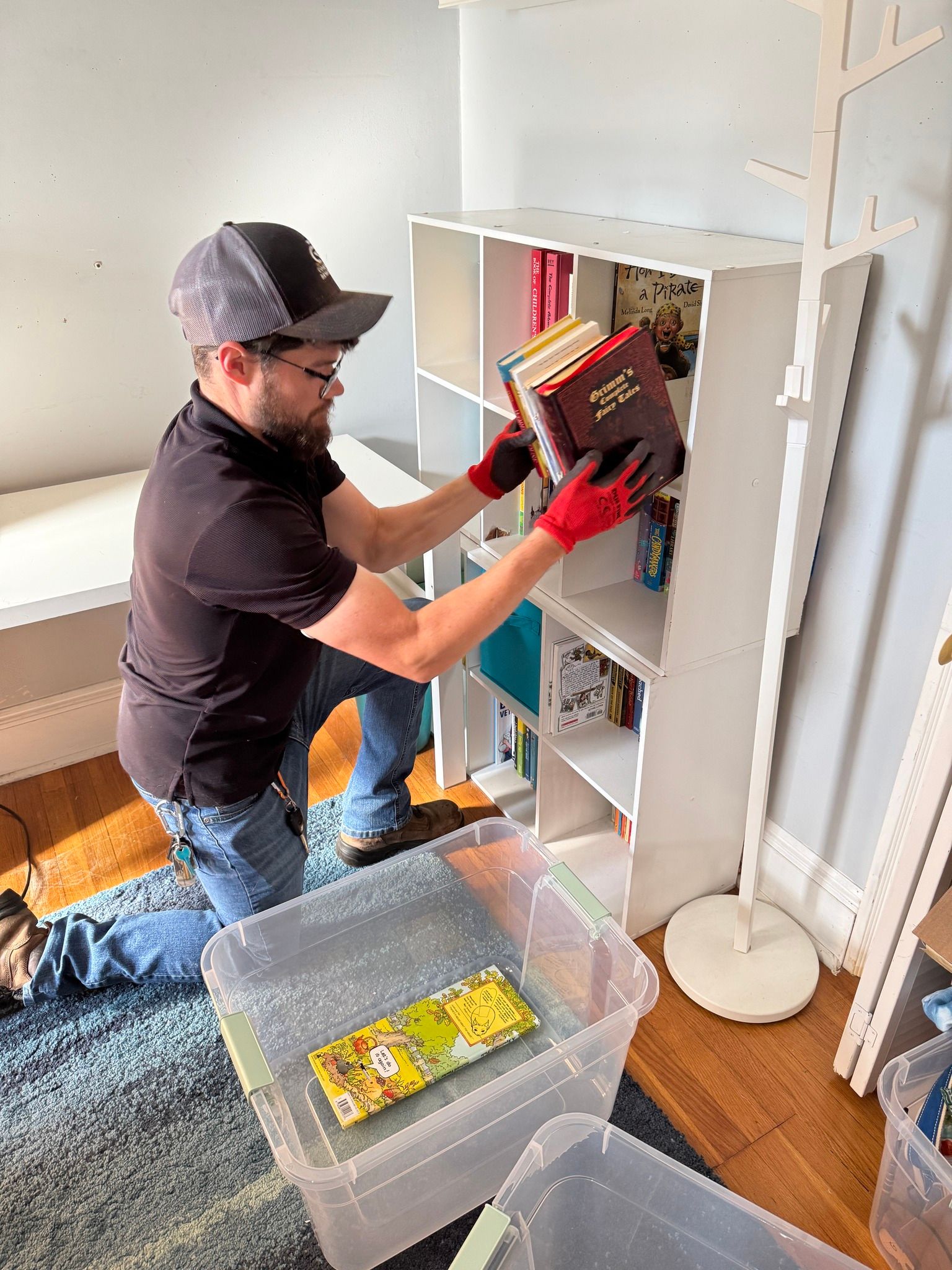
Learn how ethical junk removal services recycle, donate, and repurpose items to reduce waste and make a positive impact in your community.
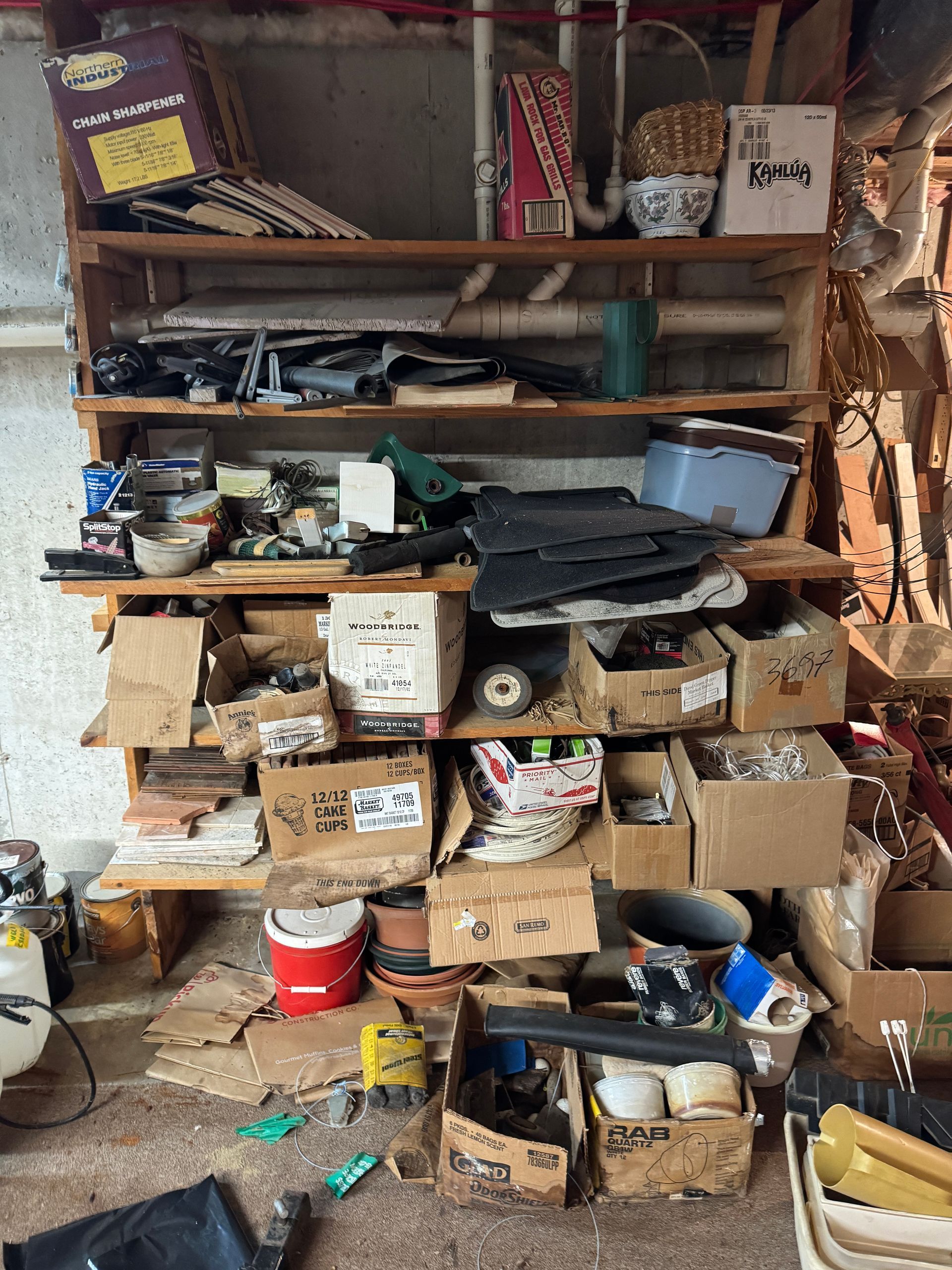
A stress-free home boosts mental clarity, improves sleep, enhances productivity, and creates a peaceful space where you can truly relax and recharge.
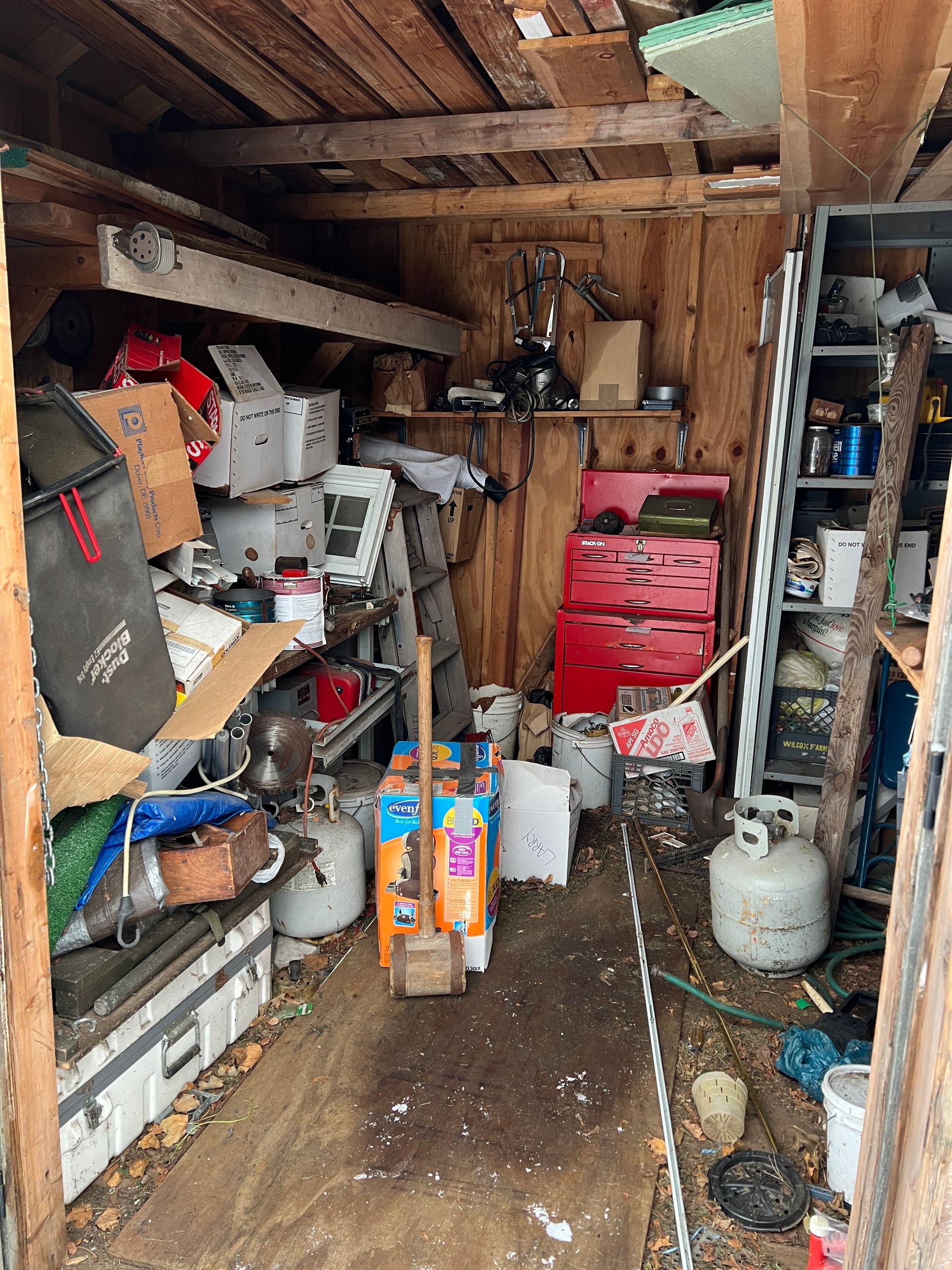
Discover why decluttering is emotionally hard—and how letting go of items can improve your mental clarity, reduce stress, and boost happiness.