
How to Finally Start Decluttering
Mathieu Burgess • November 26, 2025
A Simple Game Plan That Actually Works
We’ve all been there—standing in a cluttered room, feeling like there’s just too much stuff and not enough time to deal with it. When the piles start to blend together, it’s hard to even know where to begin. But here’s the truth: you don’t need to tackle it all at once. You just need a plan and a little bit of momentum.
At Coastal Removal, we’ve helped hundreds of homeowners reclaim their spaces, and we’ve seen one simple truth time and time again: the hardest part is getting started. Once you have a clear path forward, everything else becomes manageable.
Here’s your step-by-step game plan to declutter your home—without the overwhelm.
Step 1: Start Small – The Junk Drawers
Every home has them—the catch-all drawers that seem to attract random batteries, old receipts, and mystery cords. The best way to begin decluttering is by winning a few small victories.
Pick one or two junk drawers and empty them completely. Sort everything into three piles: keep, junk, and unsure (for things you’ll revisit later). Clean the drawer, return only what you truly need, and toss or donate the rest.
Pro tip: Doing something small (and finishing it) builds instant momentum. It’s proof that progress is possible.
Step 2: Move On to Closets & Small Storage Spaces
Once you’ve conquered the drawers, graduate to slightly bigger challenges—closets, bathroom cabinets, linen closets, or the front hall storage.
Start with one closet per day or per week. Pull everything out and use the same three-pile system. Be honest with yourself: if you haven’t worn it or used it in a year, it’s time to let it go.
Tip: Keep a donation bin in a visible spot during this stage. The constant reminder will help you stay on track and see your progress pile up—literally.
Step 3: Take On Larger Rooms & Bigger Projects
By now, you’ve built momentum and developed your decluttering muscles. You’re ready for the bigger jobs—bedrooms, basements, garages, and attics.
These areas often contain years’ worth of “I’ll deal with it later” items. The key here is to break large spaces into smaller zones. Focus on one wall, one shelf, or one corner at a time. Set a timer for an hour and commit to steady progress instead of perfection. Putting your phone on silent, or better yet in another room, will really help reduce distraction.
Bonus tip: Schedule a junk removal pickup before you start. A set date creates pressure and accountability—and nothing feels better than watching years of clutter (and stress) leave your driveway.
Step 4: Stick to a Timeline
Decluttering doesn’t have to consume your life, but it does require structure. Here’s a simple timeline that works for most people:
Week 1: Junk drawers and small surfaces. Doing just one or two a day will make your week a massive WIN
Week 2: Closets and cabinets
Week 3–4: Larger rooms and storage areas
If you need to stretch the timeline, that’s fine—just don’t stop moving forward. Momentum is your biggest ally.
Step 5: Maintain the Momentum
Once your home feels lighter and more organized, keep it that way by making decluttering part of your routine. Spend ten minutes each week doing a “mini purge” in one area.
If you’re junk-prone, it’s not a bad idea to designate one closet, drawer, or corner to be your clutter-zone. Just be sure to review this area weekly and organize/purge as necessary. With this method, your junk will be manageable and remains contained!
Final Thoughts
Decluttering doesn’t happen overnight, but it does happen when you have a plan. Start small, stay consistent, and celebrate each win. Before you know it, you’ll not only have a cleaner home—you’ll feel calmer, lighter, and more in control of your space. It feels good to be clutter-free, and it feels even better when people come over and complement it!

One crew handles demo and haul-away in Salisbury, MA. Learn how the combined process works for fences, sheds, carpet, and junk cleanouts.

Coastal Removal proudly calls Newburyport, MA home. As locals, we serve the North Shore and Merrimack Valley with reliable junk removal and cleanout services.
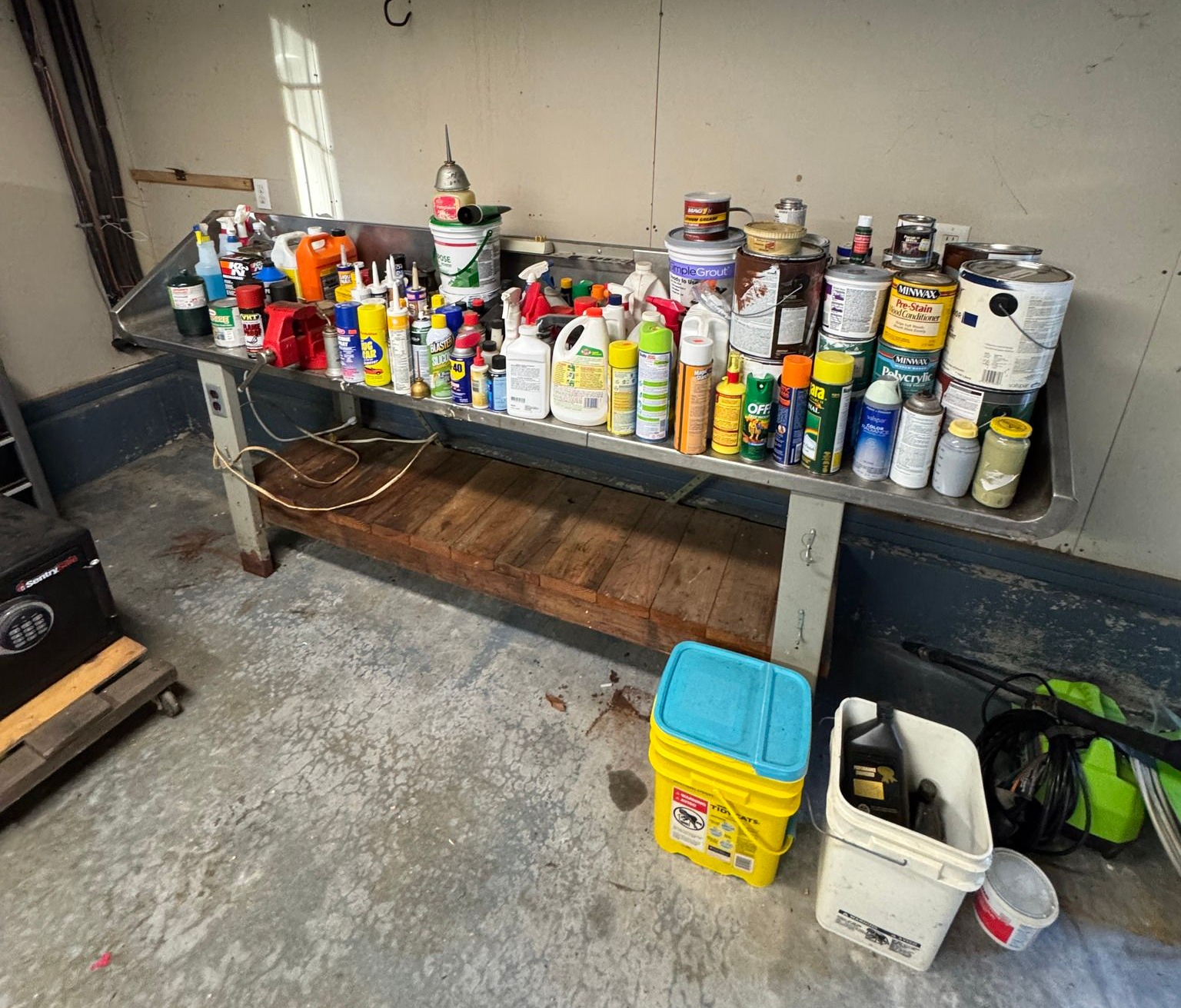
Learn how to safely dispose of latex and oil-based paint in Massachusetts. Discover how to dry, recycle, or legally discard leftover paint to keep your home clean.
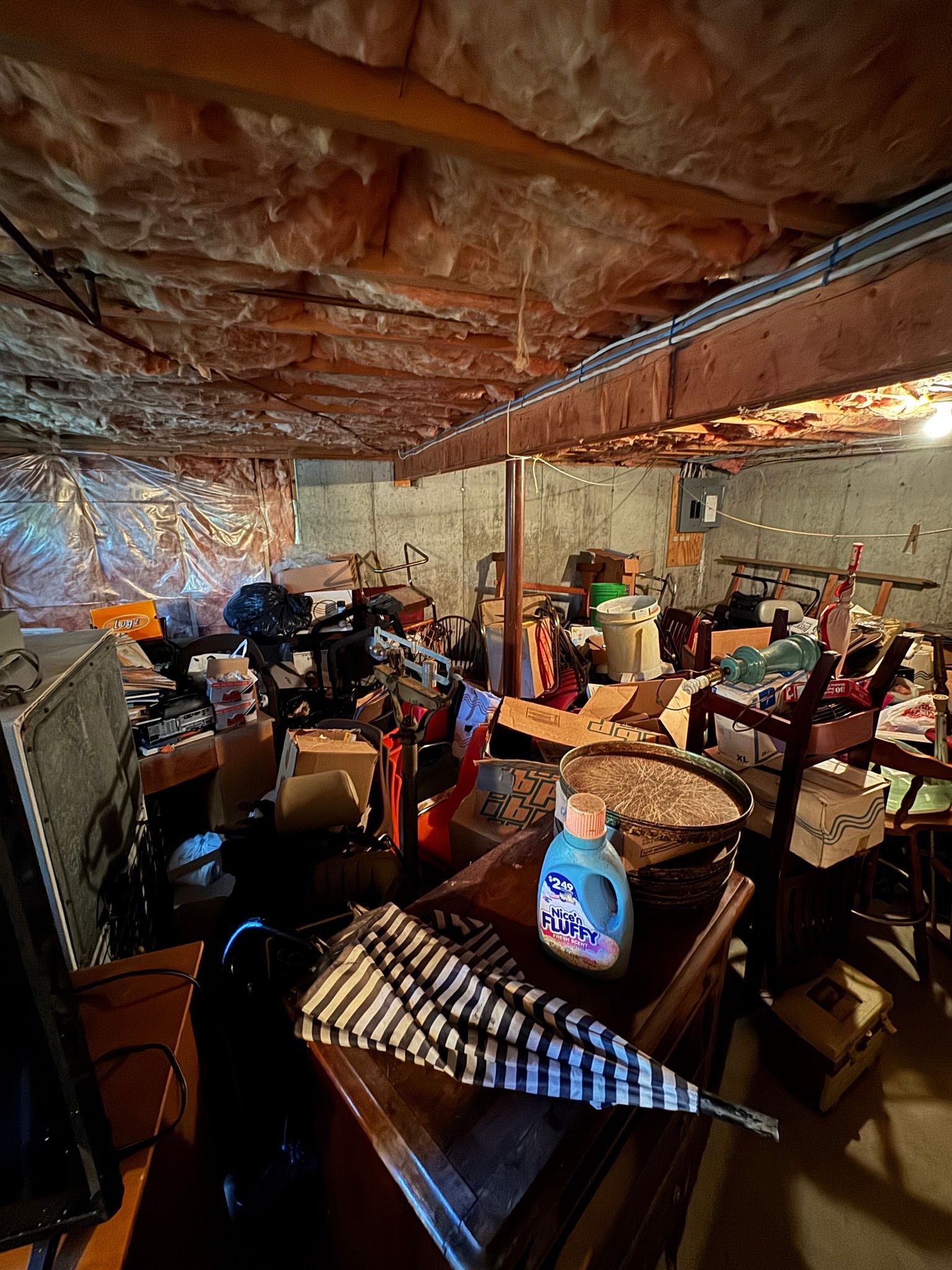
Get your home holiday-ready with a clutter cleanout. Learn how decluttering before guests arrive makes your space brighter, calmer, and stress-free.
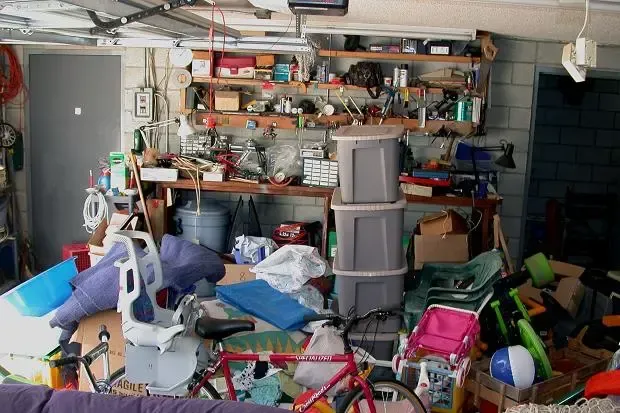
Get ready for your junk removal day with this simple checklist. Learn how to prepare, label, and let go — and enjoy a stress-free cleanout experience.
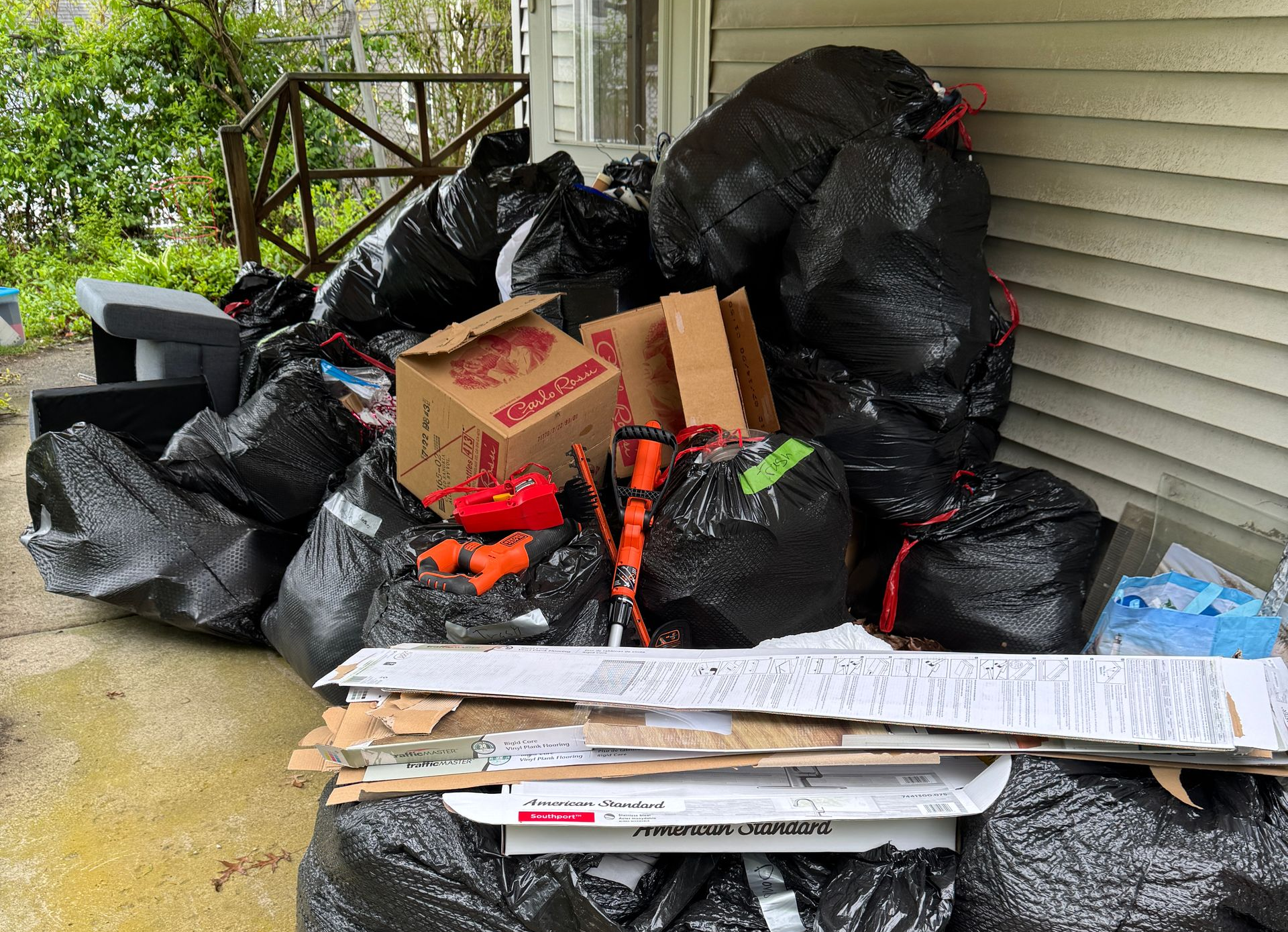
Decluttering doesn’t have to cost a thing. Find out how to simplify your home, help others, and reduce waste using free local and online options.

Hiring a junk removal service? Learn how to spot shady tactics, avoid inflated costs, and ensure your junk is handled responsibly and ethically.
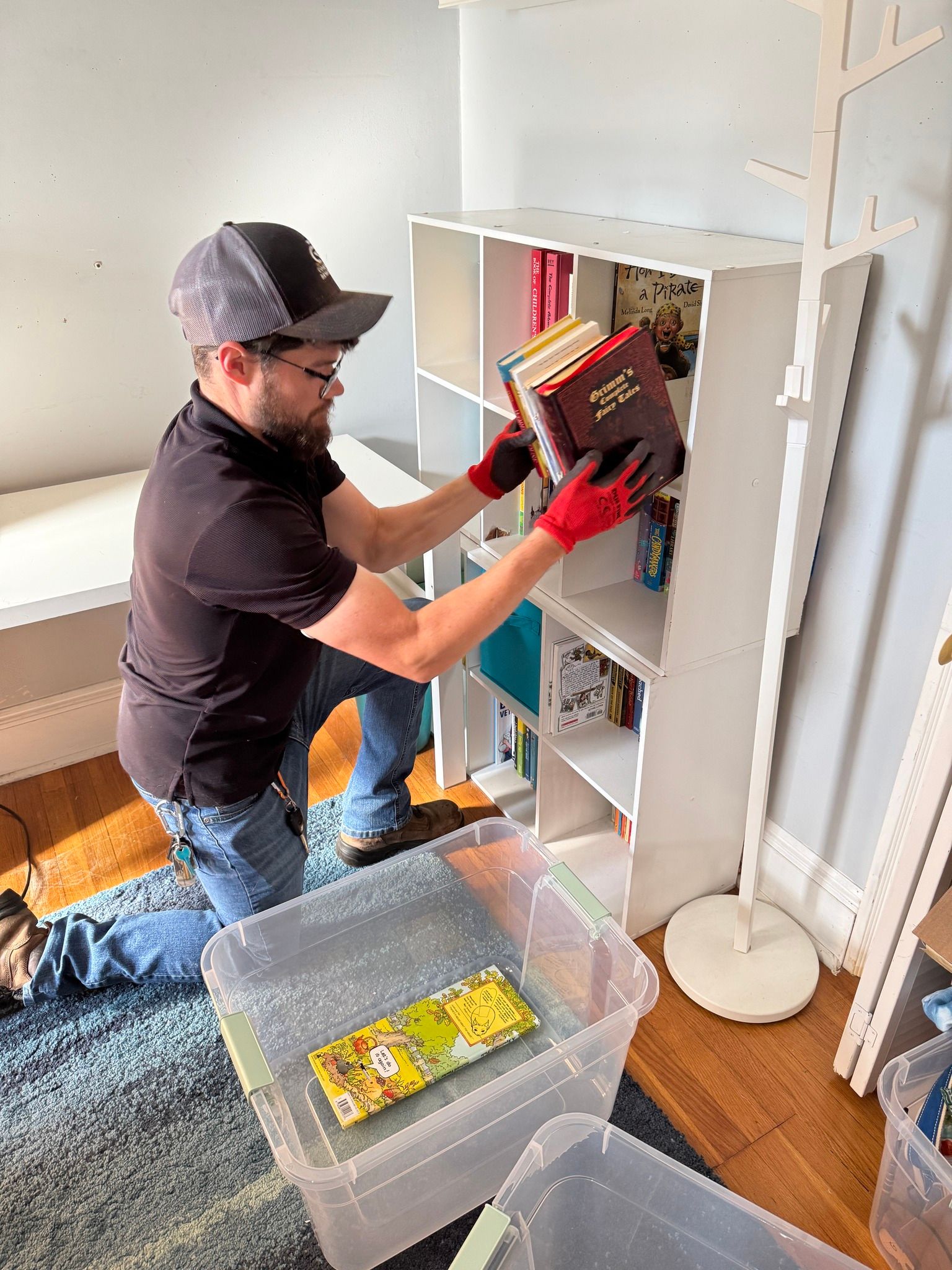
Learn how ethical junk removal services recycle, donate, and repurpose items to reduce waste and make a positive impact in your community.
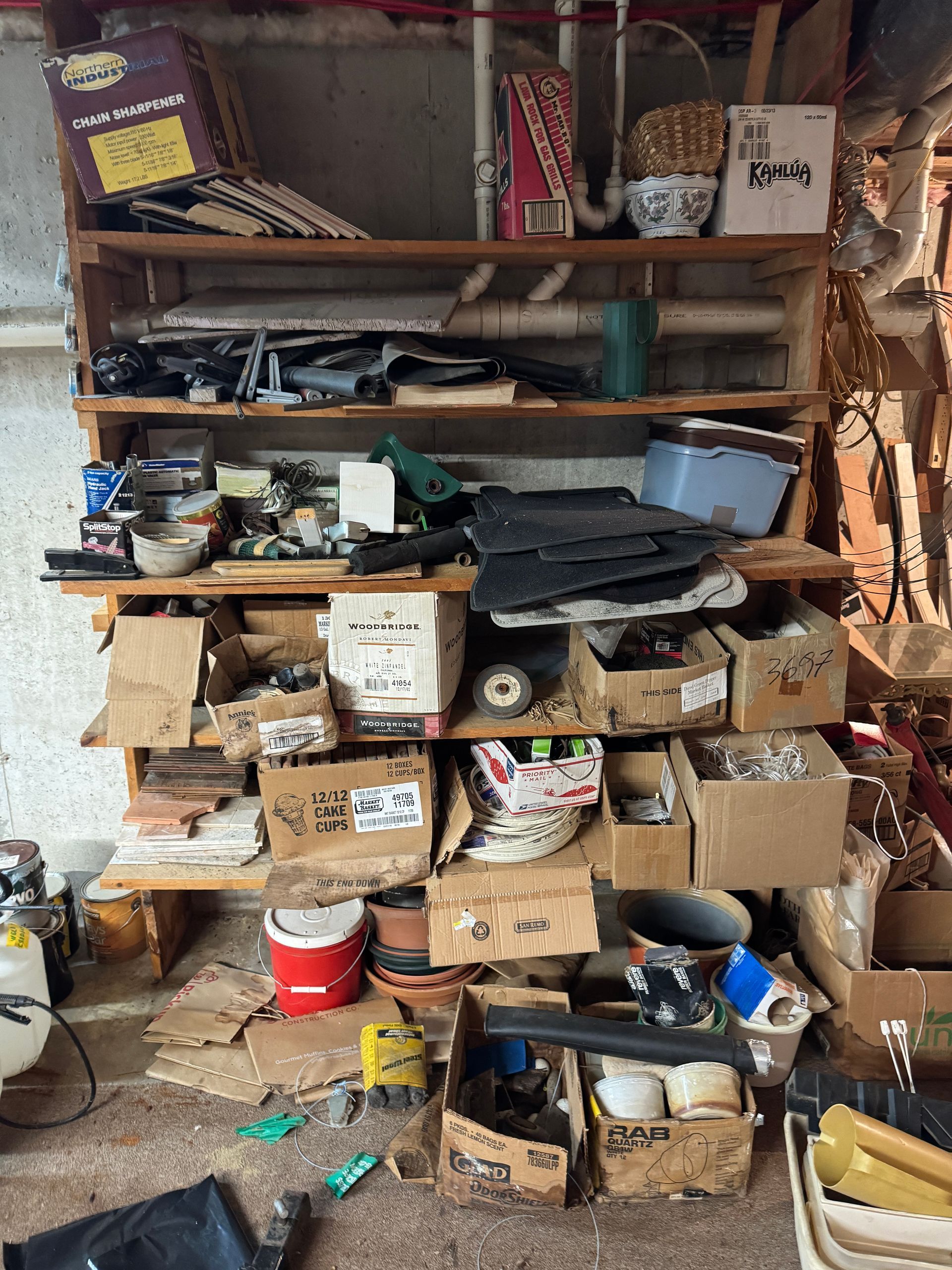
A stress-free home boosts mental clarity, improves sleep, enhances productivity, and creates a peaceful space where you can truly relax and recharge.
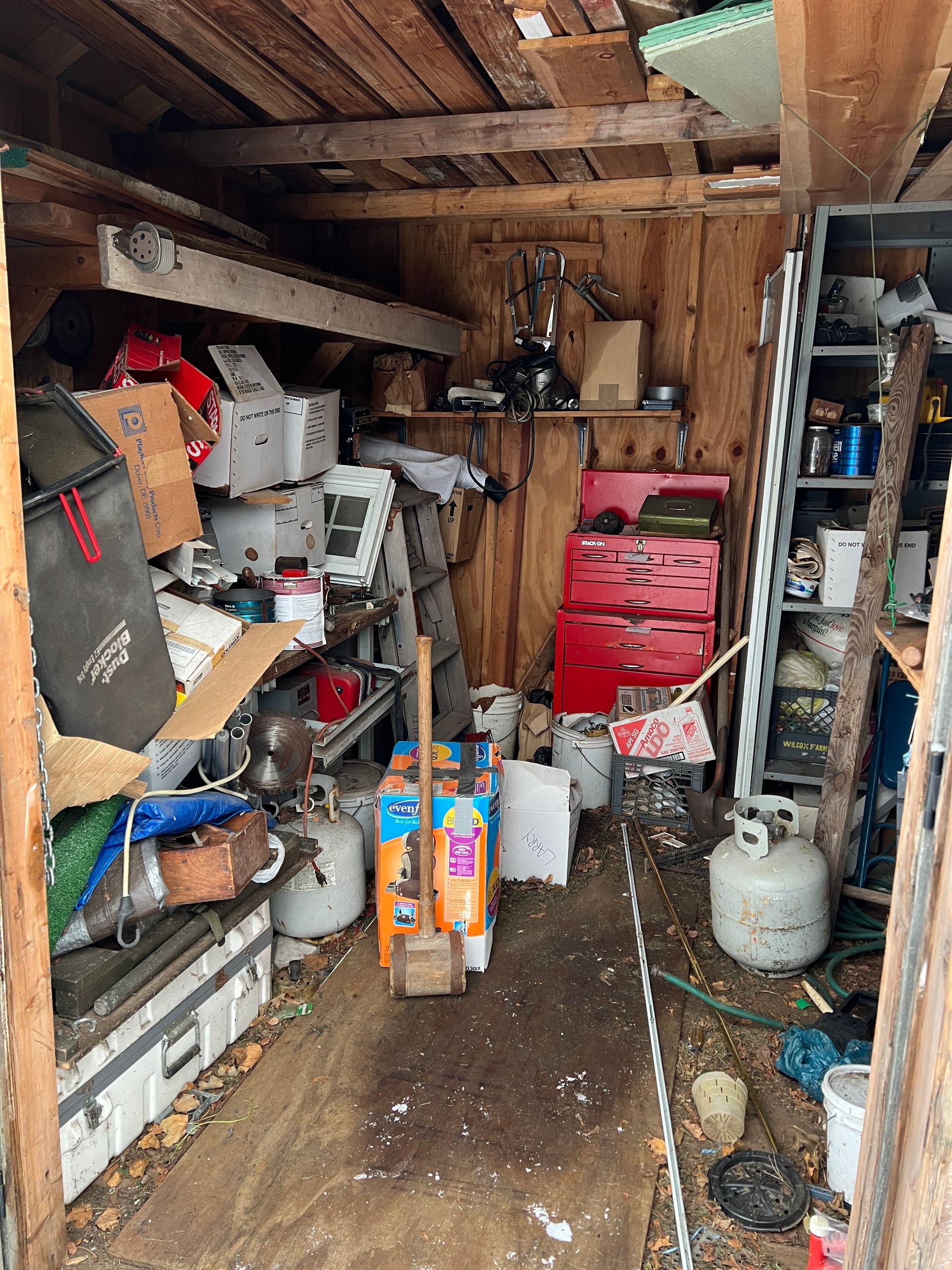
Discover why decluttering is emotionally hard—and how letting go of items can improve your mental clarity, reduce stress, and boost happiness.
